Tomodachi Life Living the Dream
Nintendo Co. Ltd.
April 18, 2026
1.8 GB
2.1
Android 11.0+
5000000
Description
Tomodachi Life Living the Dream is a life simulation game developed by Nintendo, released on April 16, 2026, for Nintendo Switch devices. The game builds on the charm of its predecessor by offering deeper Mii customization, smarter AI-driven interactions, and a fully customizable island where characters form relationships, create stories, and live unpredictable daily lives. With its sandbox gameplay, real-time simulation mechanics, and strong focus on user-generated content, it delivers a unique blend of creativity and humor that stands out in the simulation genre. If you’re looking for a relaxing yet dynamic life simulation experience, this is a great place to start exploring your own virtual world.
Major New Features in Tomodachi Life Living the Dream
Expanded Mii Customization System
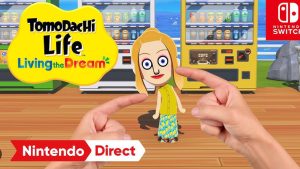
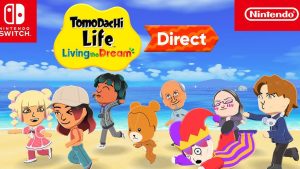
One of the most noticeable upgrades is the Mii customization system. Compared to the older version, the level of detail is significantly improved. I found that creating characters feels more flexible and expressive than ever before. Key improvements include:
- More detailed facial editing options
- Expanded hairstyles with color variations
- Voice tuning and personality sliders
- Additional expressions and animations
These changes make each character feel more unique, which directly enhances the storytelling aspect of the game. It also aligns with the growing demand for creative, user-generated content tools in simulation games.
Inclusive Identity & Relationship Options
Another major step forward is the introduction of inclusive identity options. The game now allows:
- Non-binary character identities
- Custom pronouns
- More flexible relationship preferences
From my perspective, this update doesn’t just add features—it expands the way stories can unfold. Relationships feel more natural and less restricted, which strengthens the overall life simulation gameplay.
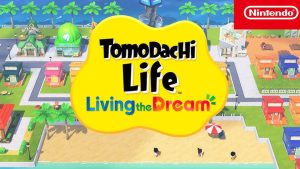
Island Customization & Building System
Unlike the original game, where the island served mostly as a backdrop, this version gives players real control over the environment. New features include:
- Custom island layouts and structure placement
- Buildable shops, landmarks, and facilities
- Environmental design that influences interactions
I noticed that the island now plays an active role in gameplay. The way you design your space can subtly affect how characters interact, making the experience feel more dynamic and personalized.
User-Generated Content Expansion
A major highlight of this update is the strong focus on user-generated content (UGC). Players can now create and customize:
- Clothing and outfits
- Food items
- Interior decorations
- Living spaces for characters
This system adds a layer of creativity that significantly boosts replayability. In my experience, it turns the game into a sandbox where your imagination drives the content.
Gameplay & AI Improvements
Smarter Mii Behavior System
The AI system has been noticeably refined. In earlier versions, interactions could feel overly random. Now, characters behave in a more believable way while still maintaining the series’ signature unpredictability. Improvements include:
- More logical conversations
- Better emotional responses
- Context-aware interactions
From what I observed, this balance between structure and chaos makes the game more engaging without losing its charm.
Enhanced Relationship Mechanics
Relationships have also been expanded. Players now have more influence over how connections develop. New elements include:
- Greater control over friendships and conflicts
- More dynamic romantic progression
- Expanded social interactions
These updates make relationships feel less scripted and more organic, which is essential for a life simulation gameplay experience.
Real-Time Life Simulation Upgrades
The real-time system returns but with better integration. Events now feel more connected to player activity and timing. Key aspects:
- Day-night cycle affects interactions
- Events change based on play frequency
- Characters evolve over time
I found this system encourages regular check-ins rather than long sessions, which suits mobile and casual players well.
New Activities, Events & Gameplay Systems
Mini-Games and Social Activities
The game introduces additional mini-games and activities designed to strengthen relationships and unlock rewards. Examples include:
- Interactive social challenges
- Relationship-building activities
- Light, humor-driven gameplay moments
These features add variety and prevent the experience from feeling repetitive.
Emergent Storytelling & “Reality TV” Gameplay
One of the defining aspects of the game remains its emergent storytelling. Each island develops its own narrative based on character interactions. What stands out:
- Unpredictable events and drama
- Unique storylines for every player
- Memorable, often humorous scenarios
From my perspective, this “reality TV” style gameplay is what keeps players engaged long-term.
Compare Tomodachi Life Living the Dream APK vs Tomodachi Life APK
| Criteria | Tomodachi Life Living the Dream | Tomodachi Life (3DS) |
|---|---|---|
| Platform & Release | Nintendo Switch (2026) | Nintendo 3DS (2013/2014) |
| Character Customization | Advanced tools, more expressions, pronouns, personality depth | Basic Mii creator with limited options |
| World Design | Fully customizable island with buildings and layout | Fixed island with apartment-based structure |
| Relationships & Inclusivity | Expanded relationships, including non-binary and flexible preferences | Limited to traditional relationship systems |
| Gameplay Systems | Strong focus on user-generated content and sandbox creativity | More structured, less customizable gameplay |
| AI & Interactions | Smarter AI, more dynamic and contextual interactions | More random and less complex behavior |
Best Custom Outfit Ideas & Designs On Tomodachi Life Living the Dream APK
1. Character Cosplay Outfits
Recreate famous characters from movies, anime, or games using available clothing and colors. The enhanced customization system allows detailed looks, which is why players have already recreated well-known characters like game icons and celebrities . Focus on signature colors and accessories to make the character recognizable.
2. Everyday Casual Style
Design simple, realistic outfits like:
- T-shirts + jeans + sneakers
- Hoodies with layered accessories
- Seasonal outfits (summer or winter looks)
Since clothing categories include formal, casual, and unisex styles, you can mix freely without restrictions .
3. Formal & Luxury Looks
Perfect for weddings or special events in the game:
- Suits, tuxedos, elegant dresses
- Aristocratic or themed outfits
- Color-coordinated couples’ fashion
These designs work well with the game’s relationship and event systems.
4. Funny & Costume-Based Outfits
The series is known for humor, so don’t hold back:
- Animal costumes
- Fantasy outfits (astronauts, royalty)
- Random or mismatched combinations
Specialty costumes like themed suits have always been part of the series and remain popular for comedic moments .
5. Custom Designer Outfits
With tools like the Palette House workshop, players can create unique clothing designs and patterns . Ideas include:
- Matching outfits for groups or families
- Branded or themed clothing
- Creative patterns and color gradients
This is where the game truly shines as a user-generated content sandbox.
Conclusion
Tomodachi Life Living the Dream delivers a unique blend of humor, creativity, and unpredictability that few games can match. It’s not about objectives or competition—it’s about the stories that emerge from your creations. With deeper customization, improved AI interactions, and a stronger focus on player creativity, this version feels like a true evolution of the series. If you’re looking for a relaxing yet endlessly entertaining simulation game, this is a must-try. Download Tomodachi Life Living the Dream APK now and start building your own chaotic island world today!
FAQs
1. What makes character customization unique in the game?
The game offers detailed facial editing, personality settings, and voice customization, allowing highly personalized characters.
2. Can I design my own island layout?
Yes, players can customize the island structure, place buildings, and influence how characters interact within the environment.
5. What kind of activities can characters do?
They can participate in mini-games, socialize, explore the island, and engage in random events.
7. How many characters can I have on one island?
You can manage up to around 70 characters on a single island.
9. Is the game suitable for casual players?
Yes, it’s designed for relaxed, casual gameplay with no strict objectives or pressure.
Images